
Septic inspection services are available across York Region, Durham Region, Kawartha Lakes And Peterborough
A failing septic system doesn’t just create inconvenience — it disrupts daily living. Showers, toilets, laundry, and basic sanitation depend on the system working properly. When performance drops, homeowners can face sewage backups, restricted water use, environmental contamination, and major repair costs.
Replacement or remediation of a failed septic system can involve excavation, landscaping damage, and tens of thousands of dollars in expense.
Because most septic components are buried, problems often remain hidden until performance breaks down. A functional performance inspection helps identify system stress and capacity issues before they become emergencies.

Each septic inspection is performed by an InterNACHI-certified inspector with specialized training in private onsite wastewater system evaluation. Reporting includes photographic documentation, measured system performance data, and structured observations designed to support real-world property decisions.
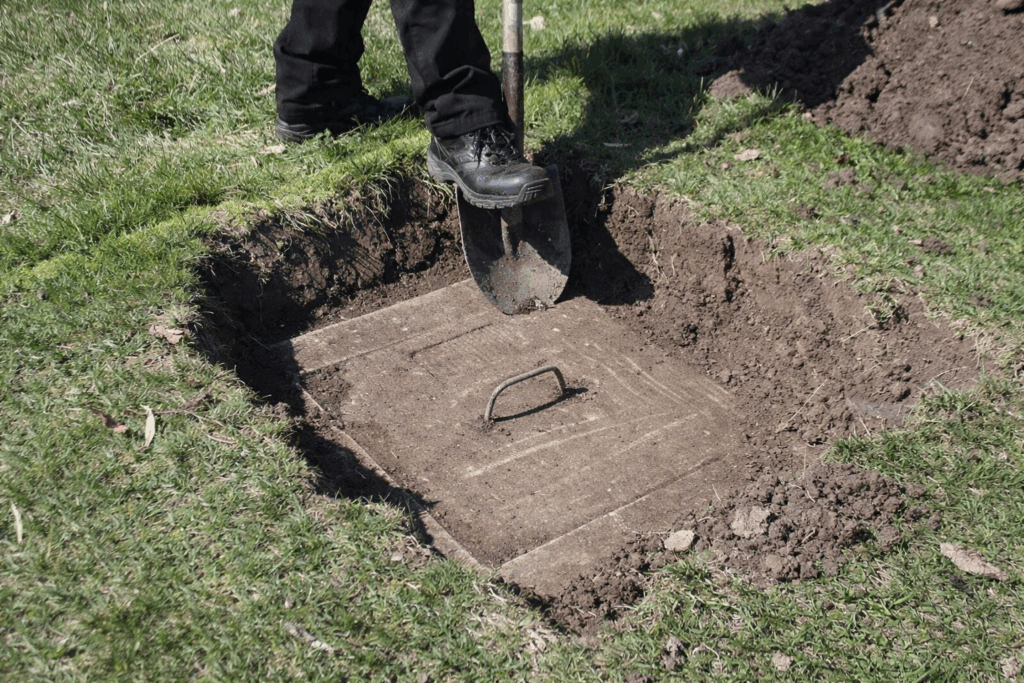
When available, we review system history such as previous pumping records, service notes, and visible site conditions. This establishes baseline context and helps identify risk factors related to age, usage patterns, and environmental conditions that may influence system performance.
We inspect the septic tank access points and visible structural surfaces for signs of deterioration, cracking, settlement, or damage. Where accessible, inlet and outlet components and effluent filters are evaluated to confirm proper flow control and solid separation.
The surrounding yard area is inspected for surface indicators of system stress, including pooling water, abnormal vegetation growth, soil saturation, or grading issues that may affect drainage performance.
We measure both sludge and scum layer depths inside the tank to determine remaining working volume. This data allows us to assess whether the system is operating within acceptable capacity ranges or approaching conditions that may require pumping or maintenance.
These measurements provide objective insight into system loading and long-term performance health.
The drainage field area is evaluated using both surface observation and targeted subsurface probe points. This allows us to check for moisture conditions, standing effluent indicators, soil saturation, and early signs of hydraulic restriction or bio-mat development.
This step helps identify performance issues that may not yet be visible at the surface.
A controlled hydraulic load test is performed to evaluate how the system responds under sustained residential demand.
Water volume is applied gradually over a defined test period to simulate real household usage. During the test, the septic tank and drainage field are continuously monitored for:
Following the loading phase, drainage field probe points are re-checked to observe post-test absorption performance.
This process provides real-world insight into system functionality rather than relying on visual assumptions alone.
After the inspection, clients receive a detailed written report including:
All findings reflect observed conditions at the time of inspection and are presented in clear, actionable language.

A septic system is one of the most expensive and difficult components of a rural property to repair or replace. Unlike most home systems, failures often remain hidden until performance drops or damage becomes severe.
During inspections, common issues identified include:
Structural tank damage or lid failure
Deteriorated inlet and outlet baffles
Excessive sludge or scum accumulation
Hydraulic overload conditions
Drainage field saturation or restricted absorption
Damaged underground piping
When septic systems fail, repair or replacement costs can reach tens of thousands of dollars, and remediation may involve excavation, soil replacement, and extended property disruption.
A functional septic inspection helps:
Identify developing problems before failure occurs
Verify that the system can handle real household demand
Protect buyers from inheriting hidden liabilities
Provide documented condition data for negotiation and decision-making
This is not about checking boxes — it is about confirming whether the system can actually perform the job it was built to do.